IoT Penetration TestingOpen the device, read the chain.
Bench-level pentest on your actual device. We pull JTAG, dump firmware, sniff the radio, and chain to the cloud, every finding ships as a working exploit with the patch path and a verified re-test.

Five surfaces
Hardware bench · firmware · radio · mobile companion · cloud / MQTT, one engagement, every layer.
Bench evidence
UART shell, dumped flash, captured pairing handshake, proof-of-exploit on the actual device.
Re-test included
We verify your fixes, firmware reflash, OTA patch, radio config, at no extra cost.
The window from vulnerability discovery to exploitation has gone from weeks to hours.
Trusted by security teams across Fintech, SaaS & Education, Enterprise & Telecom, Security & Critical Infrastructure




On record


What we test
Six surfaces. Every one read on the bench.
IoT is a stack, a board, a firmware, a radio, a mobile companion, a backend the device dials home to. Each layer is reviewed by hand against the real attack surface, in the protocols and tools your team ships in.
Hardware bench, UART · JTAG · SWD · SPI flash · I²C
Enclosure opened. Test points probed with a logic analyzer. Debug interfaces brought up under OpenOCD / J-Link. SPI flash desoldered or read in-circuit, then dumped. Boot ROM and bootloader behaviour exercised against fault-injection where in scope.
Firmware, binwalk · squashfs · u-boot · secure-boot · hardcoded creds
Image carved with binwalk, root filesystem mounted, init scripts and busybox binaries reviewed by hand. Hardcoded API tokens, TLS keys, and PEM blobs extracted. Weak secure-boot anchors and unsigned bootloader-stage upgrades reported with the patch path.
Radio, BLE · Zigbee · Z-Wave · LoRa · Sub-GHz · 802.11
Packet captures with HackRF, Ubertooth, RFCat. BLE GATT walked for unauth read / write. Pairing bypass under Just Works mishandling. Zigbee key-establishment replay. LoRa join-accept tampering. Wi-Fi WPS and EAP downgrade where the device exposes them.
Mobile companion, paired iOS / Android binary
Companion app pulled from the store, instrumented under Frida, the pairing flow and deeplink handlers walked end to end. Hardcoded device secrets, weak certificate pinning to the cloud, and OAuth-state mishandling in account-linking flows.
Cloud, MQTT & OTA channel
Broker authentication walked for client-id reuse and topic over-subscription. Topic tree walked from a low-priv account for tenant isolation gaps. OTA update channel tested for unsigned image acceptance, downgrade attacks, and roll-back to a vulnerable build.
Web / device admin UI
Local admin UI, mDNS / SSDP service, and any cloud portal tested for default credentials, CSRF on state-changing endpoints, exposed /debug or /diag routes, command injection in network-config forms, and authentication-bypass via unauth API parity.
On the bench.
We open the device. And chain the board to the cloud.
Most device risk doesn't show from the outside. It's in the firmware, the debug pins, the radio, and the trust the device places in your cloud. We open the unit on the bench and follow that path end to end, so the finding you get is the one that actually matters.

WHAT LANDS IN SCOPE.
Counted, not claimed.
An IoT engagement at SecureLayer7 covers the full stack of a connected device. Numbers below describe what's in scope on a typical engagement. Not market-size claims.
Hardware bench · firmware · radio · mobile companion · cloud / MQTT · device admin UI. Each reviewed by hand on the bench.
BLE · Zigbee · LoRa · 6LoWPAN · NFC · Sub-GHz. Captured with HackRF, Ubertooth, RFCat. Z-Wave and Wi-Fi added when the device exposes them.
Keys · creds · endpoints. Hardcoded TLS keys, debug credentials, OTA-update endpoints, and signing material pulled from extracted images.
Same researcher, same chain. Firmware reflash, OTA patch, or radio-config change verified and signed in writing.
FIRMWARE TO RF.
What a bench engineer finds on a device a network scanner cannot see.
- 01Firmware extraction
Dump SPI flash with a clip and a Bus Pirate, unpack the squashfs, recover hardcoded API keys and update-signing certificates.
- 02Hardware debug to root
Find UART headers under the shield can, drop to U-Boot, enable single-user mode, read /etc/shadow and the device private key.
- 03Radio capture and replay
Sniff BLE, Zigbee, or LoRa with an SDR, replay pairing or join frames, forge sensor messages the gateway treats as authentic.
- 04Companion app to backend
Reverse the Android APK for the device API, find an IDOR on the device-id route, control any unit on the fleet.
- 05OTA chain to cloud
Push a signed image with a recovered key, pivot from the device MQTT identity into the broker, read tenant topics.
IOT METHODOLOGY.
Eight phases. Bench to cloud.
Threat-modelled to your device class, board revision, radio mix, and cloud reach. Not a checklist run against every device that lands on the bench.
- 01Scope & threat-model
- 02Surface recon
- 03Hardware bench
- 04Firmware extraction
- 05Radio capture & replay
- 06Mobile companion & cloud
- 07Exploit synthesis
- 08Patch verification
Insights
IoT & device Resources.
Firmware extraction notes, radio-side findings, and hardware bring-up, published by the same operators who run device pentests.

Meet our engagement lead
One lead across firmware, cloud, and radio.
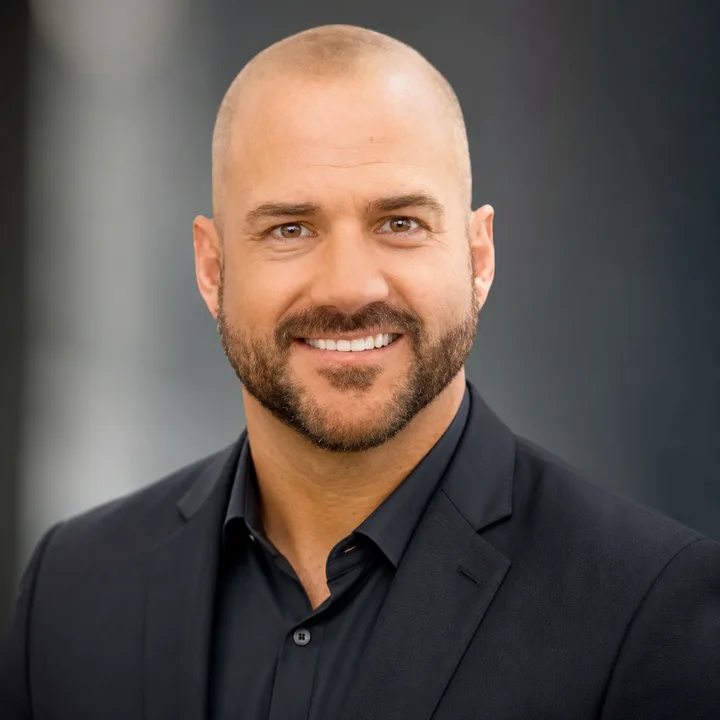
John Dill
vCISO at SecureLayer7
Bench-led
IoT engagement model
HW · FW · Radio
In scope by default
98%
Engagement-lead close rate
John scopes IoT pentest engagements against your device class, board revision, radio mix, and cloud reach. He runs kick-off, status reviews, and sign-off so the bench pod stays heads-down on the device.
- Scopes engagements across consumer, industrial (IEC 62443), automotive, and medical IoT against your real risk model.
- Owns kick-off, mid-engagement walkthroughs, and live review of every bench, firmware, and radio finding.
- Drives remediation review and re-test until every chain is closed and the patch is verified on the device.
Ready to scope an IoT pentest? Book 30 minutes with John to walk through your device class, board revision, radio mix, and timeline.
Book a 30-min callTested by industry.
The bug classes named below come from real engagements in each sector. Pick the closest fit.


HealthTech
Medical devices, infusion pumps, monitor networks, MQTT/HL7 IoT gateways.

Built for Australia engagements
What changes when we deliver here.
Regulatory framework
SOCI Act RMP findings tag
Compliance scoping
CISC notification templates included
Local engagements
AU utility — 1200 field devices, 3 OT zones
Local pricing
AUD per-device-class pricing, GST itemised
Compliance scoping
SBOM + firmware signing-chain report
Questions Australian OT and IoT owners ask first.
Does the report help our SOCI Act RMP?
Yes. Findings feed the SOCI risk management programme directly. Cyber and information security hazards are tagged for the CISC-required annual review.
How do you handle CISC reporting obligations?
Cyber security incident criteria under the SOCI Act amendments are listed per finding. Templates for 12-hour and 72-hour CISC notifications are in the bundle.
Do you test firmware and supply chain?
Yes. Firmware reverse engineering, secure-boot bypass, and OEM signing-chain risk are in scope. SBOM ships with the report.
What about radio and protocol fuzzing?
Zigbee, BLE, LoRaWAN, and Wi-Fi HaLow are tested. Each finding lists the protocol RFC and the ASD ISM wireless control.
Delivery in Australia
SOCI Act. ACSC OT. CISC reporting.
Device, gateway, and cloud findings cite SOCI Act risk-management programme clauses. OT and SCADA gaps map to ACSC and CISC operational technology guidance.
- Direct line
- +61-2-0000-0000
- Office
- Sydney, Australia
Frameworks scoped: ASD Essential 8 · APRA CPS 234 · Privacy Act · ISO/IEC 27001.
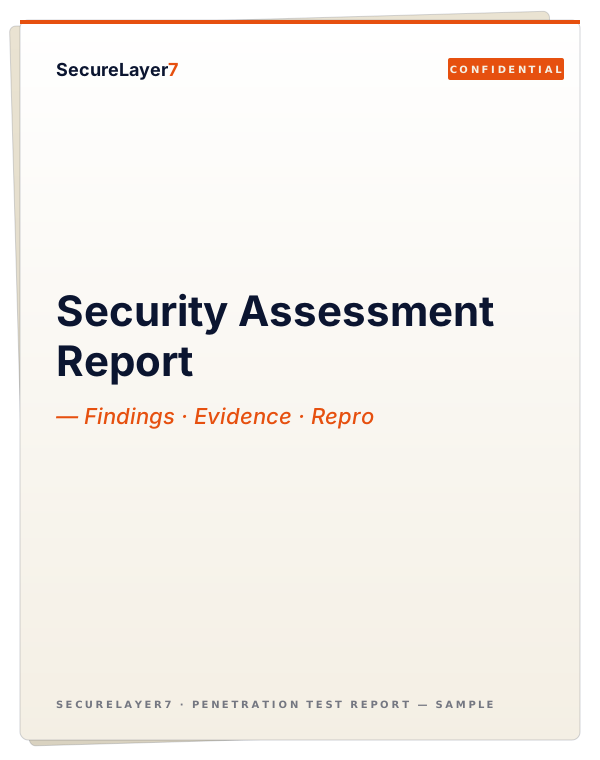
Sample IoT engagement report
See what arrives in your inbox.
A pre-vetted sample report: full IoT pentest narrative, working proof-of-exploit on the device (hardware, firmware, radio, cloud), the patch path, and the re-test confirmation. Sent on request after a 5-minute scoping call.