Pentests for FHIR, HL7, and the EHR.Without breaking the shift.
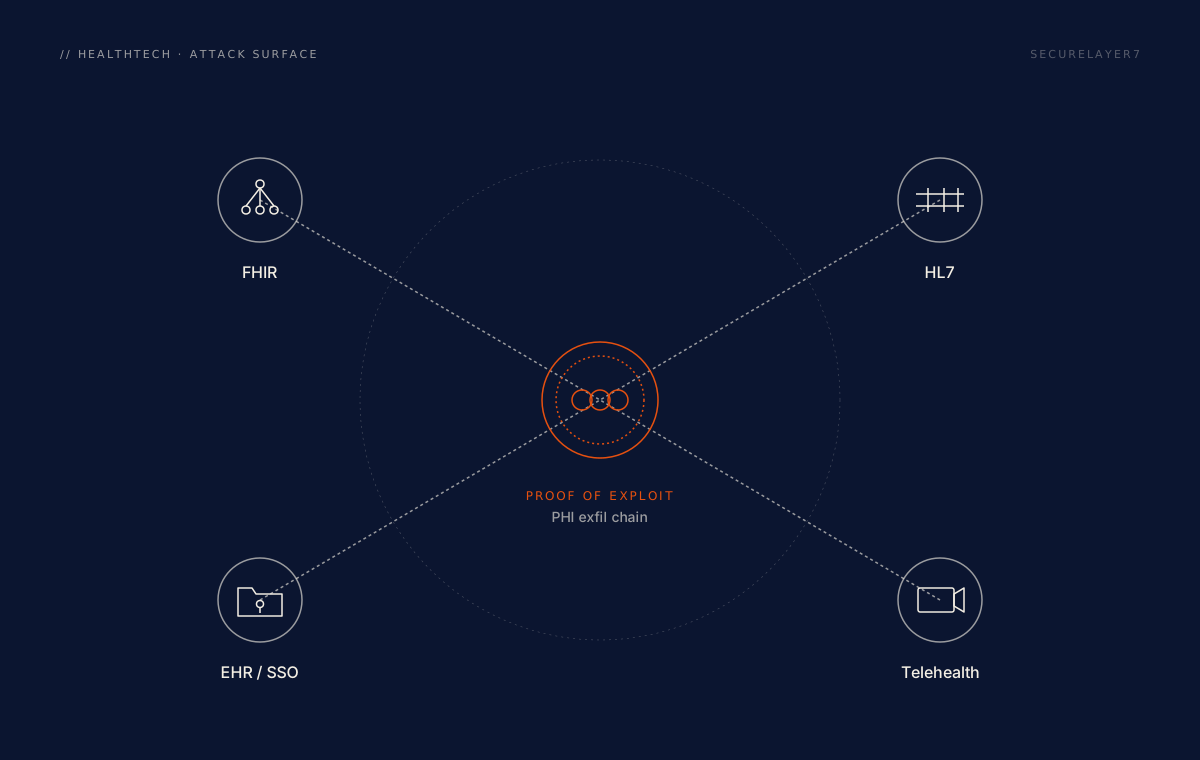
PHI moves through FHIR, HL7 v2, and telehealth WebRTC streams that audit checklists treat as black boxes. Our pentests open them: FHIR resource over-exposure, HL7 integration-engine tampering, and live WebRTC PHI leaks. Reports accepted by HIPAA, HITRUST, SOC 2, and ISO 27001 auditors.
PHI under BAA
Encrypted boundary
Auditor accepted
HIPAA · HITRUST · SOC 2 · ISO 27001
Re-test
Free, written closure
Three ways we test healthtech.
Pick the engagement that matches the surface. FHIR R4 endpoints, EHR SSO paths, and clinical copilots each fail differently. So we test them differently.

BugDazz Autonomous
Continuous coverage of FHIR R4 and HL7 v2 endpoints between human engagements. Catches PHI exposure drift the day a scheduling API ships, not at the next HITRUST cycle.

Red team engagement
Multi-week adversary emulation across EHR, billing APIs, and telehealth WebRTC. Tests whether your SOC catches the path a ransomware operator actually traverses.

AI and LLM pentest
Tests clinical scribes, patient chatbots, and summary copilots for prompt injection, PHI exfil chains, and over-prescription manipulation. HIPAA and SOC 2 evidence included.
Trusted by security teams across Fintech, SaaS & Education, Enterprise & Telecom, Security & Critical Infrastructure




On record



Why a HIPAA gap-assessment isn't a pentest
A control marked present is not a path closed.
HIPAA gap-assessments check whether a control exists. A pentest reports what an attacker can do with that control in place. We chain FHIR consent boundary drift, HL7 v2 integration-engine tampering, and telehealth WebRTC TURN abuse into a working proof-of-exploit your CISO and clinical-ops team can act on, then re-test until every PHI path is closed.
IN SCOPE.
Eight categories. Every PHI-touching surface in the stack.
FHIR, HL7 v2, EHR/SSO, telehealth, bedside devices, DICOM, the patient portal, and the mobile health app. The chain an attacker walks is rarely one of these alone.
FHIR APIs
Resource over-exposure across patient consent, search-parameter abuse, bulk-export drift.
HL7 v2 integration
Message tampering at the integration engine, MLLP injection, ADT/ORU forgery (Mirth, Rhapsody, NextGen Connect).
EHR + SSO
Session takeover via OAuth, SAML signature wrap, scope drift across charting and ordering.
Telehealth + WebRTC
TURN server PHI leakage, SDP injection, recording-bucket exposure, session-record exfil.
Bedside + DICOM
Infusion-pump CAN/serial pivot, vital-sign monitor MQTT abuse, DICOM service injection, study-UID tampering, anonymization bypass.
Patient portal + mobile
PHI IDOR, password-reset replay, MFA-fallback abuse, parent-proxy boundary, biometric bypass, deep-link auth, Keychain/Keystore drift.
HEALTHTECH ATTACK SURFACE.
What an attacker chains to walk PHI out of a modern healthtech stack.
- 01FHIR resource over-exposure
Patient consent boundary drift, search-parameter abuse, bulk-export sub-resource leak, cross-patient read from a single low-scope token.
- 02HL7 v2 ADT tampering
Integration-engine message rewrite, MLLP injection at the listener, ADT^A40 forgery merges patient identities and rewrites order history.
- 03EHR SAML signature wrap
XML signature wrap on the SSO assertion, scope drift from a charting role into the ordering role, prescription write-path reached without a clinician seat.
- 04Telehealth WebRTC TURN exfil
TURN server allocated on an untrusted relay, SDP injected to redirect media, encounter audio and screen-share PHI walked off to attacker storage.
- 05DICOM service injection
C-STORE accepted from a forged AE title, study-instance UID tampering replaces an oncology study mid-read, anonymization layer bypassed on export.
- 06Patient portal IDOR
Guardian/parent-proxy boundary collapses on a sibling record, MFA-fallback path replayed, full PHI history rendered to the wrong account.
- 07Bedside MQTT pump command
Connected infusion pump on a flat clinical VLAN, MQTT broker abused for a control-plane write, dosage command crafted without the pump console.
PHI-EXPOSURE PATHS WE TEST.
HEALTHTECH PENTEST METHODOLOGY.
Eight phases. PHI-handled, closed-loop.
Scoped to your HIPAA boundary, EHR vendor flow, integration engine, and patient-facing surfaces. Not a template we run against every healthcare client.
- 01HIPAA + HITRUST scope mapping
- 02FHIR + consent boundary
- 03HL7 v2 + integration engine
- 04EHR + SSO chain
- 05Telehealth + WebRTC
- 06Bedside / DICOM pivot
- 07Chained finding + HIPAA-grade report
- 08Free re-test + detection handoff
Meet our expert
One lead fluent in PHI and HIPAA scope.
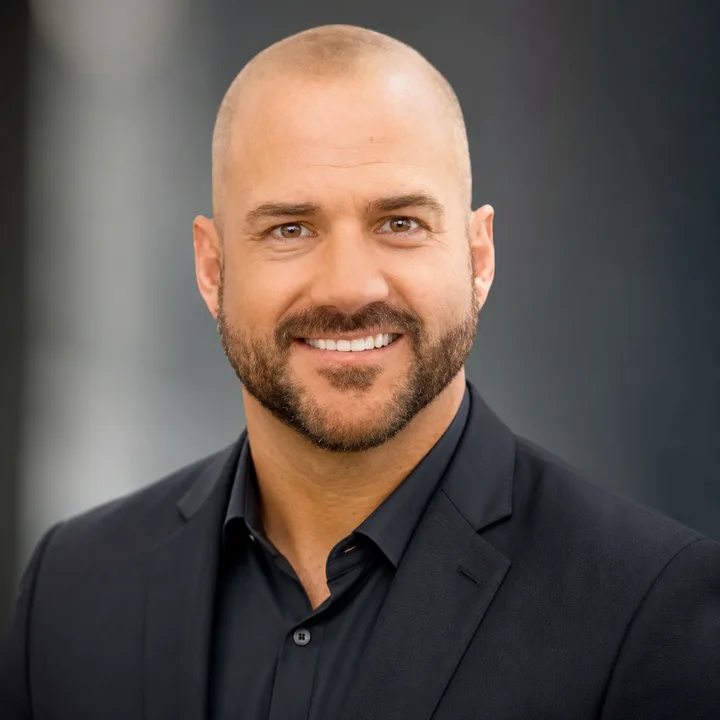
John Dill
vCISO at SecureLayer7
10+
Years in offensive security
300+
Engagements led
99.7%
On-time delivery rate
John scopes healthtech engagements against your HIPAA boundary, EHR vendor flow, and clinical-ops blackout windows. He guides the pod from kick-off through final report and re-test.
- Scopes FHIR, HL7 v2, EHR/SSO, telehealth, and bedside engagements against your real PHI flow.
- Owns kick-off, mid-engagement check-ins, and live walkthrough of every PHI-exfil path.
- Drives remediation review and re-test until every PHI path is closed and your CISO has written closure.
Ready to scope a healthtech pentest? Book 30 minutes with John to walk through your HIPAA boundary, EHR vendor flow, and clinical-ops window.
Book a 30-min callCommon procurement questions
What buyers ask about healthtech penetration testing.
Six questions procurement, compliance, and clinical-ops teams send before signing a healthtech pentest SOW. Answered against our methodology and your auditor.
Show all 6 questionsShow less
Have a procurement question not listed here?
Partner tear-sheet
Hand a 2-page HealthTech tear-sheet to the buyer.
A printable summary your partner can drop into a pitch deck: named HealthTech threats, methodology, compliance mapping, and the engagement leads to call. Saves as PDF from the browser.
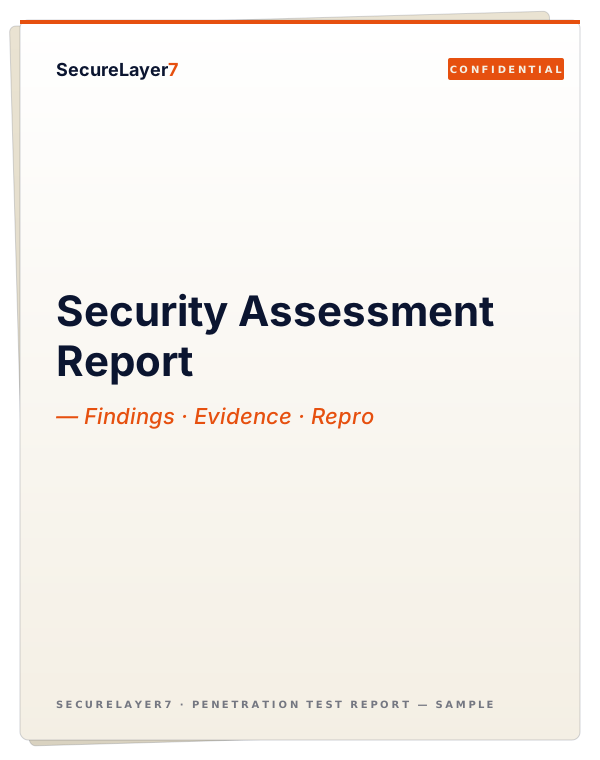
Sample engagement report
See what arrives in your inbox.
A pre-vetted sample healthtech report: full PHI-exfil kill chain, working PoC traces, FHIR / HL7 / EHR fix guidance, and re-test scope. Sent on request after a 5-minute scoping call.